

 See My Latest Article on HelloNation
Missing a tooth can affect chewing, speech, appearance, and the way nearby teeth bear pressure. For many residents in Tulsa, OK, the main fixed-tooth options are a traditional dental bridge and a dental implant with a crown. Neither is automatically better for every person. The right choice depends on the health of the surrounding teeth, jawbone condition, overall health, timeline, budget, and long-term priorities.
What is the difference between a bridge and an implant?
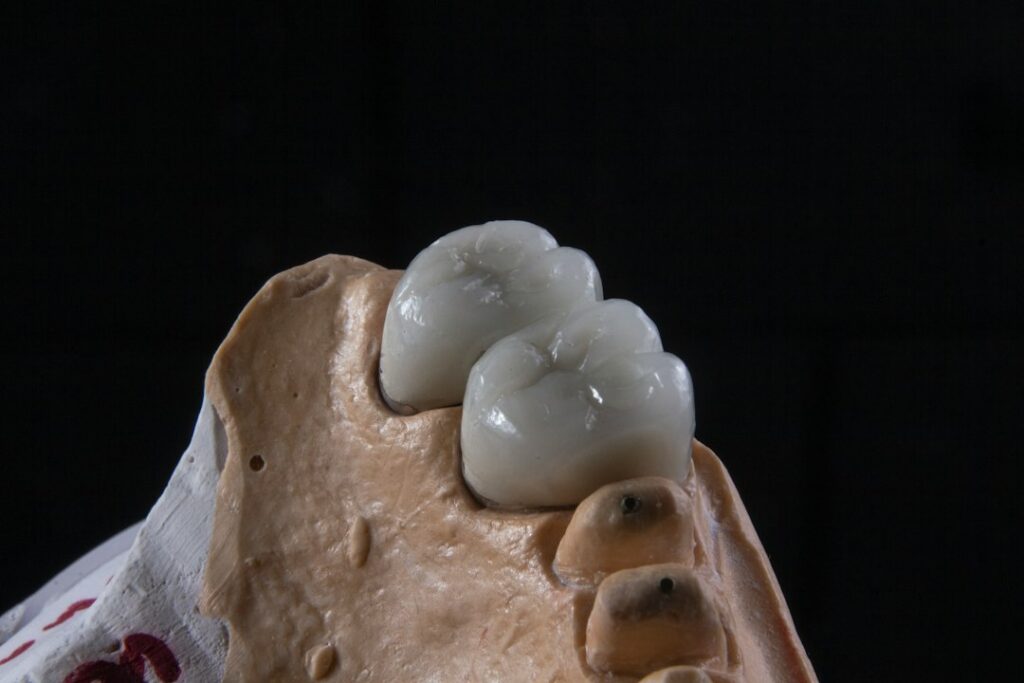
A dental bridge replaces a missing tooth by attaching an artificial tooth to one or more neighboring teeth. In a traditional bridge, the supporting teeth are reshaped so crowns can fit over them. The replacement tooth, called a pontic, sits in the space where the natural tooth was lost.
A dental implant replaces the tooth root as well as the visible tooth. A small post is placed in the jawbone, allowed to heal, and later covered with a connector and crown. An implant can replace one tooth without using adjacent teeth as supports.
Both options are fixed in the mouth and can restore everyday function. They differ mainly in how they are supported.
When might a bridge be the better choice?
A bridge may be practical when the teeth next to the gap already have large fillings, crowns, cracks, or other damage that would benefit from being covered. In that situation, using those teeth as bridge supports may be reasonable.
A bridge may also suit someone who:
- Wants treatment completed without implant surgery
- Needs a shorter treatment timeline
- Has limited bone in the area
- Is not a good candidate for implant surgery because of certain medical conditions
- Prefers to avoid bone grafting or a longer healing process
- Has a gap supported by strong, well-positioned neighboring teeth
Traditional bridges can often be completed in a few visits, although the exact timeline varies. A temporary bridge may be worn while the permanent restoration is made.
A bridge is not necessarily the simplest option in every case. The supporting teeth must be strong enough to carry additional chewing forces, and the area beneath the artificial tooth must be kept clean. Special floss threaders or interdental brushes may be needed to clean under the bridge.
When might an implant be the better choice?
An implant may be preferable when the neighboring teeth are healthy and should remain untouched. Because the implant stands independently, the adjacent teeth do not have to be filed down for crowns.
Implants may also provide stronger long-term support for chewing and can help reduce the bone shrinkage that commonly occurs after tooth loss. The implant itself cannot decay, although the surrounding gum tissue and the crown still require careful cleaning.
An implant may be considered when a person:
- Has adequate jawbone or can safely undergo bone grafting
- Has healthy gums or is willing to treat gum disease first
- Can tolerate a surgical procedure
- Is prepared for several months of healing in some cases
- Wants an individual replacement rather than a restoration connected to neighboring teeth
- Has healthy adjacent teeth that do not need crowns
Implant treatment can take longer than bridge treatment. Healing time is needed for the implant to bond with the surrounding bone before the final crown is attached. Some cases move more quickly, while others require extraction, bone preservation, or grafting before the implant can be placed.
Which option lasts longer?
Both bridges and implants can last many years with good care, but their maintenance needs are different. An implant is not automatically permanent, and its crown may eventually need replacement because of wear, fracture, or changes in the bite.
A bridge can also provide durable service, but its lifespan depends heavily on the supporting teeth. If one of those teeth develops decay, a fracture, or gum disease, the entire bridge may be affected.
Daily cleaning, regular dental examinations, controlling gum disease, avoiding tobacco, and not using teeth to open packages all help protect either restoration. Hard foods and nighttime grinding can place additional stress on crowns, bridges, and implants.
How do cost and time compare?

A bridge often has a lower initial cost and can be completed sooner. An implant may involve a higher initial expense because it can include surgery, imaging, temporary teeth, bone grafting, and multiple stages of restoration.
Initial price, however, does not tell the whole story. A bridge may require replacement of its supporting teeth if they later fail. An implant may require fewer changes to neighboring teeth but can involve more time and procedures at the beginning.
A useful comparison includes:
- The total treatment cost, not just the first procedure
- Whether extraction or bone grafting is needed
- The condition of the neighboring teeth
- The expected maintenance over time
- The time available for healing and temporary restorations
- Dental coverage or payment limitations
Treatment estimates vary substantially by the number of teeth involved and the condition of the mouth.
Can health conditions affect the decision?
Yes. Diabetes that is not well controlled, active gum disease, tobacco use, certain medications, and conditions that interfere with bone healing may affect implant planning. These factors do not always rule out implants, but they may increase healing time or complication risk.
A bridge can also be unsuitable if the adjacent teeth are weak, mobile, badly decayed, or poorly positioned. A careful examination usually includes an assessment of the bite, gums, bone, tooth roots, oral hygiene, and the space available for the replacement tooth.
Age alone does not determine whether someone can receive an implant. General health, jaw development, healing ability, and oral conditions are usually more relevant.
What about Tulsa’s climate and daily routines?
Tulsa’s seasonal changes, including hot summers and periods of dry air, do not usually determine whether a bridge or implant is appropriate. They may affect comfort during the short recovery period, particularly if dehydration, mouth breathing, or outdoor activity makes the mouth feel dry.
More relevant are everyday habits. People who work outdoors, travel frequently, play contact sports, grind their teeth, or have irregular access to routine dental care may need a restoration that fits their maintenance routine. A night guard may be useful for some people who clench or grind, regardless of whether the replacement is a bridge or implant.
Is there a clear winner?
There is no universal winner. An implant is often attractive when the neighboring teeth are healthy, the jawbone is adequate, and a person is willing to undergo a longer process. A bridge may be more sensible when the adjacent teeth already need crowns, treatment must be completed sooner, or surgery is not appropriate.
The most useful question is not simply, “Which costs less?” It is, “Which option fits the condition of the entire mouth and the person’s ability to maintain it?”
Before deciding, residents should understand how each option affects the nearby teeth, bone, gums, cleaning routine, treatment timeline, and possible future repairs. A missing tooth does not always require immediate replacement, but delaying care can allow neighboring teeth to shift, change the bite, or make later treatment more complicated.