

 See My Latest Article on HelloNation
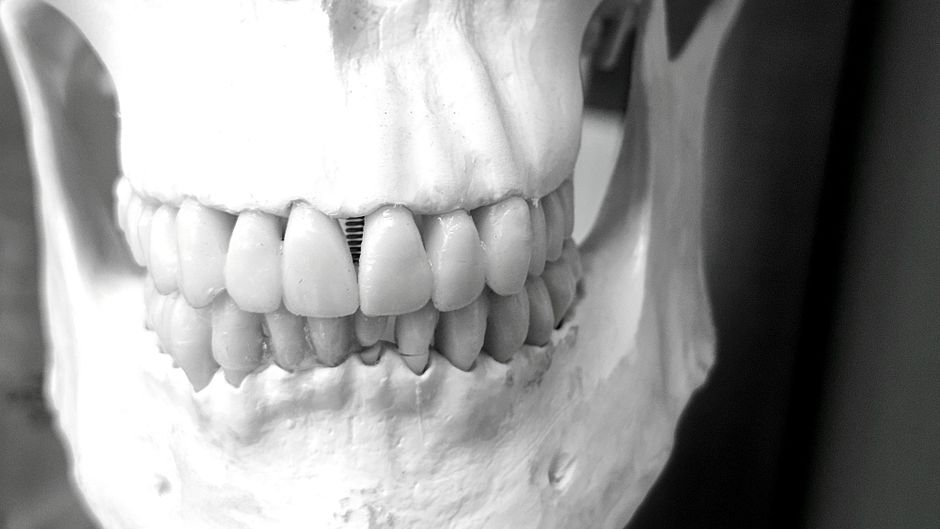
Dental implants in Tulsa, OK can last for decades, and many remain functional for 10 years or longer. The implant post itself may last a lifetime, but the crown, bridge, denture, or connecting parts attached to it may need repair or replacement sooner.
The most accurate answer is not a single number. Longevity depends on bone support, gum health, daily cleaning, bite pressure, tobacco use, medical conditions, and regular maintenance.
How long do dental implants usually last?
A well-integrated dental implant commonly lasts 10 to 20 years or more. Research and long-term clinical experience show that approximately 90% of implants may still be present and functioning after 10 years, although results vary by the patient, implant location, restoration type, and maintenance.
Some implants continue working for several decades. That does not mean every part of the replacement tooth will remain unchanged. The visible crown or bridge is exposed to chewing forces and may wear, chip, loosen, or fracture before the implant post fails.
A useful way to understand the timeline is:
- Implant post: Often lasts many years and may remain functional for life.
- Abutment or connector: May loosen, wear, or require repair.
- Crown or bridge: Often requires maintenance or replacement after years of use.
- Implant-supported denture: May need new clips, liners, teeth, or adjustments over time.
The implant is not the same thing as the entire replacement tooth. When people say an implant “failed,” they may be describing a problem with the post, the surrounding bone and gums, or the restoration attached above it.
What causes a dental implant to fail?
Dental implant failure can occur early or years after treatment. Early failure usually means the implant does not bond adequately with the jawbone during healing. Late failure is more often connected to inflammation, bone loss, excessive force, or damage to the restoration.
Common contributing factors include:
- Untreated gum disease
- Inadequate cleaning around the implant
- Smoking or other tobacco use
- Poorly controlled diabetes
- Insufficient bone support
- Heavy grinding or clenching
- A bite that places too much pressure on one implant
- Certain medications or medical treatments affecting bone healing
- Delayed treatment of a loose crown, bleeding gum, or swollen tissue
Peri-implantitis is a condition involving inflammation and bone loss around an implant. It can progress quietly, so an implant may appear normal while support is gradually being lost. Bleeding during brushing, persistent redness, swelling, bad taste, pus, or increasing looseness should not be ignored.
Do dental implants need to be replaced?
The implant post does not automatically need replacement after a set number of years. If it remains stable, clean, and supported by healthy bone, it may continue functioning indefinitely.
The crown or bridge is more likely to need replacement. Porcelain or ceramic can chip, and chewing surfaces can become worn. An implant-supported denture may also need new attachment components as the clips or inserts lose retention.
Replacing the visible tooth does not necessarily mean removing the implant. In many cases, the existing post can remain in place while the restoration above it is repaired or remade.
How does daily care affect implant longevity?
Dental implants cannot develop cavities, but the gums and bone around them can become infected. Daily cleaning is therefore essential.
Brush twice a day with a soft toothbrush and clean beneath and around the replacement tooth. Depending on the design, cleaning may involve floss, interdental brushes, a water flosser, or another tool recommended for the specific restoration.
The goal is to remove plaque from areas where the implant meets the gum. These spaces can be more difficult to reach than the surfaces of a natural tooth, especially with bridges or implant-supported dentures.
Routine examinations and cleanings allow dental teams to check:
- Whether the implant is stable
- The condition of the surrounding gums
- Changes in bone support
- Wear or fracture of the crown or bridge
- Bite pressure and signs of grinding
- Whether screws, clips, or other components have loosened
A person who has had gum disease may need closer monitoring than someone with consistently healthy gums.
Does smoking shorten the life of an implant?
Yes. Tobacco use can reduce healing, affect blood flow, increase the risk of inflammation, and raise the chance of implant complications. Smoking is particularly concerning during the healing period, but long-term use can also threaten the tissues supporting an established implant.
Stopping tobacco use improves the environment for healing and maintenance. The exact risk varies according to the amount and duration of use, overall health, implant location, and history of gum disease.
What about grinding or clenching?
Repeated grinding can place forces on an implant that are greater than those produced by ordinary chewing. Because an implant does not have the same natural shock-absorbing ligament as a tooth, excessive pressure may contribute to chipped crowns, loose screws, fractured components, or bone stress.
Warning signs may include morning jaw soreness, headaches, flattened natural teeth, chipped dental work, or repeated loosening of an implant crown. A protective appliance may be appropriate for some patients, but it must be designed and adjusted carefully so it does not create new bite problems.
Are dental implants affected by Tulsa’s climate?
Ordinary seasonal weather in Tulsa does not usually determine whether an implant succeeds. Heat, cold, humidity, and routine changes in outdoor activity are not generally harmful to a properly integrated implant.
Local residents may still notice practical issues related to routines. Busy schedules, travel, outdoor activities, dehydration, or interruptions in brushing can make maintenance less consistent. During periods of illness or schedule changes, oral hygiene should remain part of the daily routine. Removable implant dentures should also be cleaned according to their instructions rather than left in continuously unless specifically directed.
When should an implant problem be checked?
A loose implant post is more urgent than a loose crown, but both deserve prompt evaluation. Other signs that warrant attention include:
- Bleeding or swelling around the implant
- Pain that persists or returns
- A change in the way the teeth fit together
- A crown that rocks or clicks
- A denture that no longer stays secure
- Pus, persistent bad taste, or drainage
- Numbness or unusual pressure
- A chipped or fractured replacement tooth
Avoid chewing hard objects such as ice, pens, or unpopped kernels. Do not use the replacement tooth to open packages. Early attention may allow a repair before a small mechanical problem becomes damage to the implant or surrounding bone.
The long-term outlook is generally favorable when the implant is properly planned, the bone and gums remain healthy, and maintenance continues over time. The most realistic expectation is not that every component will last forever, but that a stable implant can provide durable support while the visible restoration receives ordinary repairs and replacement when necessary.