

 See My Latest Article on HelloNation
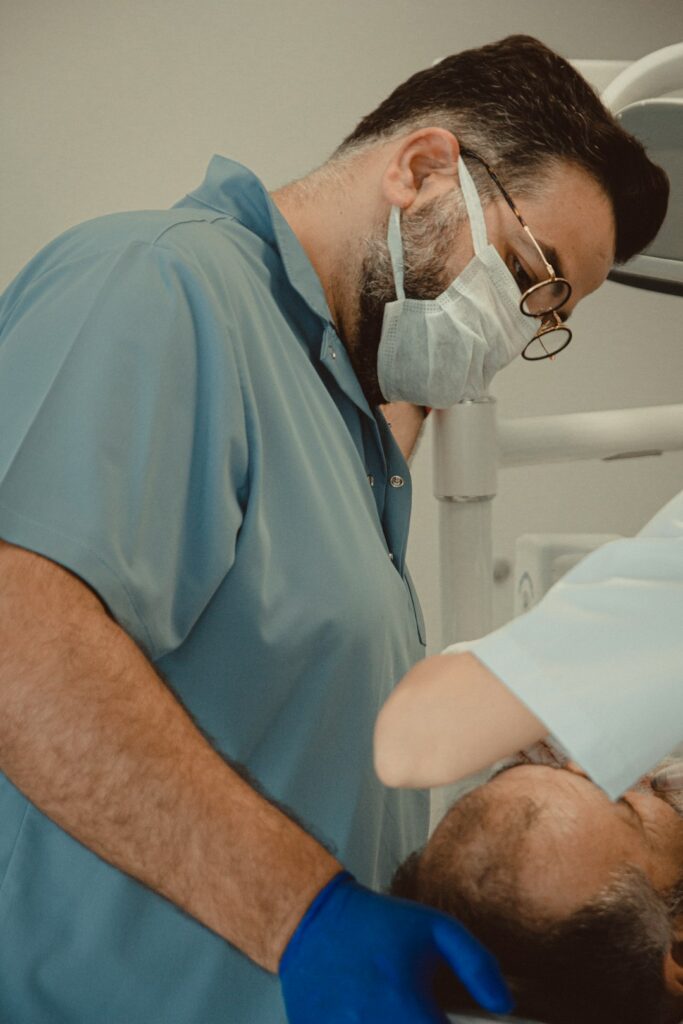
What happens during a first denture appointment?
A first denture appointment is usually an evaluation and planning visit, not the day the final denture is delivered. The prosthodontist examines your mouth, reviews your health history, discusses your goals, and determines whether a complete denture, partial denture, immediate denture, or another option is appropriate.
The visit may take longer than a routine dental checkup because dentures must work with the gums, jawbone, facial muscles, remaining teeth, and bite. A careful assessment helps identify issues that could affect comfort, speech, chewing, appearance, and long-term fit.
What should you bring to the appointment?
Bring a list of current medications, medical conditions, allergies, and previous dental treatments. Conditions such as diabetes, osteoporosis, dry mouth, arthritis, and certain neurological disorders may affect healing, oral comfort, or the ability to remove and clean a denture.
If you already wear dentures, bring them with you, even if they are damaged or uncomfortable. An existing denture can provide useful information about what has worked, what has caused problems, and how your bite or mouth has changed.
It may also help to bring:
- A list of questions or concerns
- Information about previous extractions or oral surgery
- Details about soreness, looseness, clicking, gagging, or difficulty eating
- A trusted family member or caregiver if remembering instructions may be difficult
If transportation, dexterity, hearing, or vision may affect daily denture care, mention that early. These practical details can influence the design and instruction plan.
What will the oral examination include?
The examination generally includes the gums, palate, tongue, cheeks, jaw joints, remaining teeth, and the way the upper and lower jaws meet. The prosthodontist may look for infection, inflammation, sharp areas of bone, sores, loose teeth, thin tissue, or signs of pressure from an existing appliance.
The condition of the jawbone and gum tissue matters because dentures rest on these structures. After teeth are removed, the supporting bone gradually changes shape. This natural process can make an older denture loose even if the appliance itself has not visibly changed.
An oral cancer screening may also be part of the examination. This involves checking the tissues of the mouth, head, and neck for unusual areas that need further evaluation.
X-rays may be recommended when remaining teeth, roots, bone levels, infection, or other conditions need closer examination. Not every first visit requires the same type of imaging.
How are denture choices discussed?
The prosthodontist will explain which type of denture may fit your situation and why. A complete denture replaces all teeth in an upper or lower arch. A partial denture replaces some missing teeth while using remaining teeth and oral tissues for support.
Some people may be candidates for an overdenture supported by remaining teeth or dental implants. Others may need treatment for gum disease, tooth decay, infection, or damaged teeth before a denture can be made.
The discussion may include:
- Whether remaining teeth can be safely preserved
- The expected stability of an upper or lower denture
- How bone and gum changes may affect the fit
- Whether extractions are needed
- Whether a temporary or immediate denture is appropriate
- The likely adjustment period for speaking and eating
- Cleaning, storage, and daily wear expectations
A denture is not simply a set of replacement teeth. Its shape, thickness, bite, tooth position, and relationship to the lips and cheeks all influence how natural and comfortable it feels.
Will impressions or measurements be taken?
Often, the first appointment includes preliminary measurements or impressions, but this depends on the treatment plan and the condition of the mouth. An impression uses a dental material to create a model of the gums, palate, remaining teeth, or surrounding tissues.
The prosthodontist may also record:
- The shape and height of the gum ridges
- The relationship between the upper and lower jaws
- The amount of space available for the denture
- Smile line and tooth display
- Midline and facial proportions
- The position of the lips and cheeks during movement

For some patients, impressions are delayed until inflammation, extractions, or other oral problems have been addressed. A preliminary impression is not necessarily the final impression used to make the denture.
What if teeth need to be removed?
If teeth are badly damaged or cannot be restored, the treatment plan may include extractions. Extractions and denture fabrication do not always occur on the same day.
A conventional denture is usually made after the extraction sites and gum tissues have healed. Healing may take several months, and the mouth can change during that time.
An immediate denture is designed in advance and inserted when teeth are removed. This can prevent a person from being without teeth during the early healing period, but the denture may require adjustments, relining, or replacement as the gums and bone change.
The timing depends on the number and condition of the teeth, the health of the tissues, healing expectations, and the person’s ability to manage temporary changes.
How long does the full process take?
The first appointment is only one step in a series of visits. A typical process may include an examination, preliminary impressions, more detailed impressions, bite records, a trial fitting, final processing, delivery, and adjustment visits.
The exact number of visits varies. More appointments may be needed when there are remaining teeth, significant bone loss, complex bite concerns, oral surgery, or difficulty adapting to the appliance.
A trial denture or wax setup may be used before the final appliance is made. This allows the tooth arrangement, appearance, speech, and bite to be reviewed and changed when appropriate.
What should you expect after the denture is delivered?
New dentures commonly feel unfamiliar at first. Speech may sound different, saliva flow may increase, and the chewing muscles may need time to adapt. Minor pressure areas can occur, but persistent pain, sores, or difficulty eating should not be ignored.
Adjustment appointments are a normal part of denture care. Small changes to the denture surface can relieve pressure and improve comfort. Do not attempt to grind, bend, or repair a denture at home, since an irreversible change can affect the bite or weaken the appliance.
During Tulsa’s hot summers, drinking enough water can be especially helpful for people who experience dry mouth. Dry tissues can make dentures feel less comfortable and may increase friction. Indoor heating during colder weather can also contribute to a dry mouth for some households.
What questions are worth asking?
A first visit is a good time to ask how the proposed denture will affect eating, speaking, cleaning, and daily routines. Useful questions include:
- Which type of denture is being considered, and why?
- Can any remaining teeth be preserved?
- Will extractions or healing time be necessary?
- How often will adjustments be expected?
- What symptoms are normal during adaptation?
- How should the denture be cleaned and stored?
- How will the mouth be checked after the denture is delivered?
- What should be done if the denture becomes loose, cracked, or painful?
The most useful plan is one that accounts for oral health, general health, hand coordination, memory, diet, speech needs, and realistic daily habits—not just the appearance of the replacement teeth.